Luxury brands are built through detail. The way a product is wrapped, the way a boutique is lit, the way a client is greeted, and the way a printed piece feels in the hand all become part of the same experience.
For many brands, print is sometimes treated as a support function. For luxury houses, boutiques, and Maisons, it is something more personal. A hangtag, invitation, care card, lookbook, or handwritten-style client note may be small, but it often carries the weight of the brand in a very direct way.
The materials a client holds are not separate from the brand experience. They are part of it.
Print Is Often Judged Before It Is Read
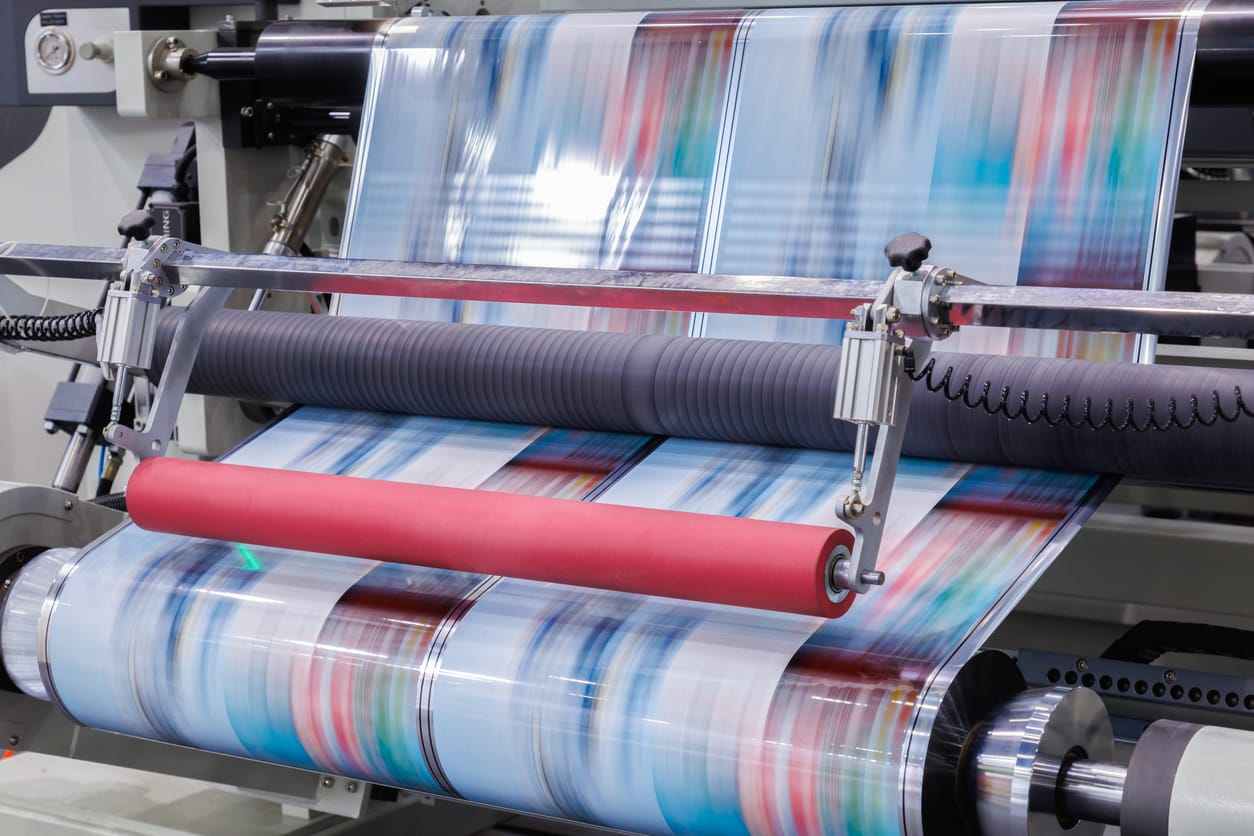
Luxury print is recognized through the senses first. The weight of the stock, the texture of the paper, the depth of an impression, the way light catches a foil, and the precision of a finished edge all communicate before the words themselves are considered.
This is why printed materials for luxury brands cannot feel generic. A client who is accustomed to a certain level of quality will notice when a piece feels too light, too ordinary, or slightly disconnected from the house it represents.
That does not mean every printed piece needs to be elaborate. In many cases, restraint is the more luxurious choice. The right stock, the right finish, the right amount of space, and the right production standard can say more than heavy decoration.
The most effective luxury print does not call attention to itself for the wrong reasons. It simply feels correct.
Boutique Collateral Carries the Brand Quietly
Much of the printed work inside a boutique is not large or dramatic. It is the small material that completes the purchase, supports the associate, or gives the client something to take with them.
This may include hangtags, certificates of authenticity, care cards, gift card carriers, product fact sheets, pricing folios, look-cards, stationery, appointment cards, or branded correspondence.
These pieces are not usually the center of a campaign, but they are often closest to the client. They are touched, read, saved, filed away, or placed inside a package. Because of that, they need to reflect the same standard as the environment around them.
In a luxury setting, consistency matters. The printed object should feel as if it belongs to the house, whether it appears in a flagship boutique, a seasonal event, a private appointment, or a replenishment shipment months later.
Clienteling Depends on Personal, Considered Communication
Luxury retention is often built through recognition. Clients remember when communication feels thoughtful, timely, and personal.
Printed clienteling pieces can support that relationship in a way that feels slower and more considered than a digital message. A personalized note, appointment card, thank-you piece, birthday message, anniversary card, or private preview invitation can create a moment of attention that feels appropriate to the relationship.
The goal is not to produce something that feels mass-distributed. The goal is to create something that feels as though it was sent with care.
That is where variable-data printing, controlled templates, and brand-approved materials become important. They allow a boutique manager, associate, or regional team to send something personal while still protecting the standards of the brand.
Events and Private Viewings Require a Different Level of Precision
Luxury events often move on short timelines, but the printed pieces still need to feel exact. Invitations, programs, place cards, menus, trunk show materials, salon opening collateral, and private client dinner pieces are all part of the atmosphere being created.
The finishing choices for these moments matter. Engraving, letterpress, foil stamping, deckled edges, beveled edges, edge painting, embossing, or debossing may each be appropriate depending on the house, the event, and the audience.
What matters most is that the finish supports the moment. A private jewelry preview may call for something formal and tactile. A fashion launch may need a piece that feels editorial and restrained. A watch event may require a level of precision that reflects the product itself.
In each case, the printed piece should feel like it belongs to the occasion.
Seasonal Launches Need Both Beauty and Control
Seasonal launches, lookbooks, catalogs, press kits, campaign books, and brand story pieces carry a different kind of responsibility. These materials often travel with a collection from announcement through boutique presentation, press outreach, private appointments, and retail activation.
Color and binding become especially important here. Photography needs to hold accurately. Paper and coatings need to support the mood of the collection. A bound piece should feel intentional, not simply produced.
For luxury brands, the difference between a piece that feels like the brand and a piece that feels about the brand can be subtle. It often comes down to production choices that most clients may not consciously name, but still experience.
Multi-Boutique Brands Need Brand Governance
Luxury brands with multiple boutiques face a familiar challenge. Corporate marketing needs to protect the standard, while boutique teams need materials quickly and reliably.
This is where brand-controlled web-to-print systems become valuable. For some luxury groups, controlled ordering systems help make this possible by giving boutique teams access to approved materials without opening the door to inconsistency.
The benefit is not only speed. It is governance.
Templates, imagery, color, stocks, finishes, item catalogs, approval workflows, and user permissions can all be managed so that nothing off-brand is produced under the brand’s name. For multi-brand luxury groups, each Maison can remain separate, with its own storefront, approvers, materials, and identity.
The strongest systems allow corporate marketing to hold the standard while the field gets what it needs on time.
Fulfillment Is Part of the Experience
Print does not end when a piece comes off the press. For luxury brands, fulfillment, kitting, storage, and direct-to-boutique distribution can be just as important as production.
A seasonal launch may need materials shipped to dozens of boutiques. A private event may require pieces to arrive at a venue within a narrow window. A new store opening may require carefully assembled kits. A replenishment program may need approved collateral available without delay.
When fulfillment is handled well, it is almost invisible. Materials arrive where they are needed, when they are needed, and in the condition the brand expects.
That kind of operational precision allows retail, creative, marketing, and procurement teams to focus on the client experience rather than the mechanics behind it.
Each Maison Has Its Own Standard
For luxury groups that hold multiple houses, print programs require a careful separation of identity. Each Maison may have its own materials, color standards, approvers, finishing preferences, boutique needs, and internal processes.
Those standards cannot blur together.
A strong print program protects each house individually while allowing the larger organization to maintain visibility where needed. Procurement may need reporting and control at the group level, but each Maison still needs autonomy in how its identity is expressed.
This balance matters because luxury brands are not interchangeable. Each one carries its own history, codes, client expectations, and visual language.
Print Remains Personal Because It Is Physical
Digital communication has its place, but print continues to hold a particular value in luxury because it occupies space. It can be held, saved, presented, wrapped, displayed, gifted, and remembered.
A printed piece can slow the moment down. It can create a sense of intention. It can make a client feel recognized rather than reached.
That is why print remains part of the luxury brand experience. Not because every material needs to be ornate, and not because print replaces digital, but because physical details still matter in categories where clients expect care at every point of contact.
For luxury houses, boutiques, and Maisons, print is not simply collateral. It is one of the quieter ways a brand keeps its standard visible.