Marketing channels evolve constantly, yet one question continues to appear in strategy discussions: does direct mail still work in a digital-first world?
The answer is yes, but only when campaigns are built with strategy, targeting, and data. A modern direct mail strategy relies on segmentation, personalization, and integration with digital channels to generate measurable engagement.
This article explores how organizations can increase direct mail response rates and why print continues to play an important role in modern marketing strategy.
Does Direct Mail Still Work Today?
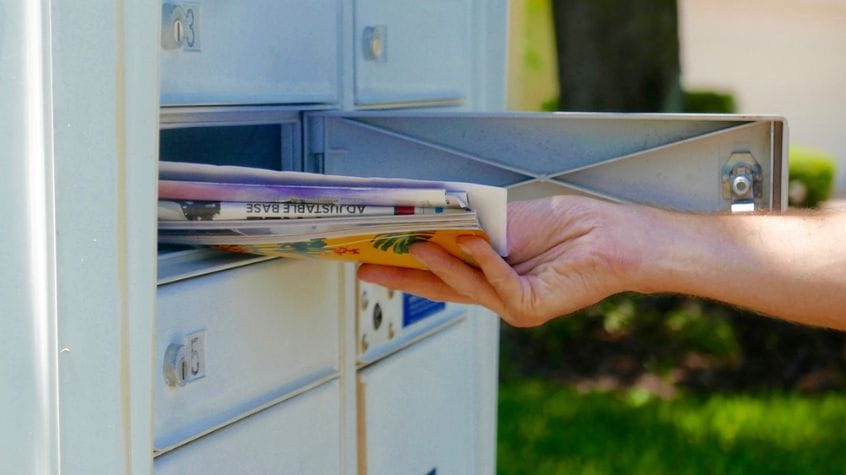
In a digital-first environment, physical mail often stands out because it is less crowded than online channels.
Consumers may scroll past hundreds of digital messages each day, but their mailbox contains far fewer items competing for attention. This difference increases the likelihood that printed materials will be noticed and remembered.
Direct mail also creates a physical interaction with a brand. Recipients can hold the piece, review it at their own pace, and return to it later.
Several factors contribute to the continued effectiveness of direct mail:
- Mailboxes are less saturated than digital channels
- Physical materials improve brand recall
- Recipients spend more time engaging with printed pieces
- Campaigns can integrate with digital tracking and landing pages
Q&A: What Makes a Direct Mail Campaign Successful?
What is the most important element of a direct mail strategy?
Relevance is the most important factor.
Successful campaigns reach the right audience with messaging that reflects their interests and needs. Broad mailings that target large, undefined audiences typically generate lower engagement.
Modern campaigns rely on segmentation and audience insights to ensure messages are aligned with recipient behavior and interests.
How does personalization improve response rates?
Personalization helps transform a printed piece from a general promotion into a targeted communication.
Common personalization techniques include:
- Variable data printing with individualized messaging
- Customized offers based on past engagement
- Dynamic images tailored to specific audience segments
- Personalized landing pages or URLs
These approaches signal that the communication was designed with the recipient in mind, which often increases engagement.
Strategic Tactics to Increase Direct Mail Response Rates
Organizations that want to increase their direct mail response rate consistently apply several strategic principles.
Audience Segmentation
Targeting is one of the most important factors in any direct mail strategy. Instead of sending one message to a broad audience, marketers divide lists into smaller segments and tailor messaging to each group.
Common segmentation approaches include:
- Prospective customers or students
- Existing customers or alumni
- Geographic regions
- Engagement history or behavioral data
Campaigns built around focused segments typically generate higher response rates than broad distribution campaigns.
Integration with Digital Marketing
Direct mail is most effective when it supports a coordinated marketing strategy.
Many organizations combine print with digital engagement tools to create multiple touchpoints across channels.
Common integration tactics include:
- QR codes that lead recipients to landing pages
- Personalized URLs that track engagement
- Email follow-ups that reinforce campaign messaging
- Digital retargeting ads after the mail piece arrives
This integrated approach allows organizations to guide audiences from awareness to action more effectively.
Thoughtful Design and Messaging

Design plays a major role in how recipients engage with direct mail.
Effective campaigns prioritize clarity and readability. The message should be understandable within seconds of viewing the piece.
Successful marketing mail ideas typically include:
- A clear headline that communicates the main value
- Strong visual hierarchy that guides the reader
- Concise supporting information
- A single, well-defined call to action
Organizations that combine strong creative design with strategic messaging often see higher engagement.
Effective campaigns often require collaboration between marketing strategists, designers, and production specialists who understand how print performs across different formats. The expertise behind this type of work can be seen on the PDC Graphics team page.
Timing and Campaign Alignment
Timing can influence response rates significantly.
Mail that aligns with important decision periods or seasonal events often performs better than general outreach campaigns.
Examples include:
- University admissions campaigns aligned with application deadlines
- Fundraising outreach tied to annual giving seasons
- Event invitations timed around major organizational milestones
Delivering communications when audiences are most receptive increases the likelihood of engagement.
Direct Mail Strategy in Higher Education Marketing
Higher education institutions manage communication with several audiences simultaneously, including prospective students, alumni, parents, and donors.
Direct mail remains an important tool in higher education marketing strategies.
Printed materials help universities create memorable brand experiences while supporting recruitment, fundraising, and alumni engagement efforts.
Common uses for direct mail in higher education include:
- Admissions recruitment materials
- Alumni engagement campaigns
- Fundraising appeals
- Institutional branding initiatives
Research on alumni engagement strategies, such as those outlined in 10 Effective Ways to Boost Alumni Donations, highlights the importance of targeted communication.
Organizations that support this sector often require specialized experience with these communication needs. PDC Graphics works with institutions through its Higher Education Marketing services.
Print also contributes to institutional storytelling and identity, as explored in The Role of Print in Crafting a Memorable University Brand Identity.
The Role of Data in Direct Mail Strategy
Modern direct mail campaigns rely on performance data to guide decision-making.
Marketing teams track metrics such as response rate, conversion rate, and cost per acquisition to evaluate results and refine future campaigns.
These insights help organizations identify:
- Which audience segments respond most frequently
- Which creative approaches generate engagement
- Which timing strategies produce stronger results
Over time, this process transforms direct mail into a continuously improving marketing channel.
Organizations that want to build a more strategic print program often work with partners who understand both production and marketing performance. Those interested in learning more about developing effective campaigns can reach the PDC Graphics team through our contact page.
Frequently Asked Questions
Yes. Direct mail remains effective because it stands out in a crowded digital environment and often creates stronger brand recall than digital advertising alone.
Organizations can improve response rates by targeting specific audiences, personalizing messaging, aligning campaigns with timing or seasonal events, and integrating print with digital channels.
Industries that rely on trust and long-term relationships often see strong results. Examples include higher education, healthcare, nonprofit organizations, financial services, and B2B sectors.
Each channel serves a different purpose. Direct mail often captures attention and reinforces brand presence, while email enables fast follow-up and ongoing communication.