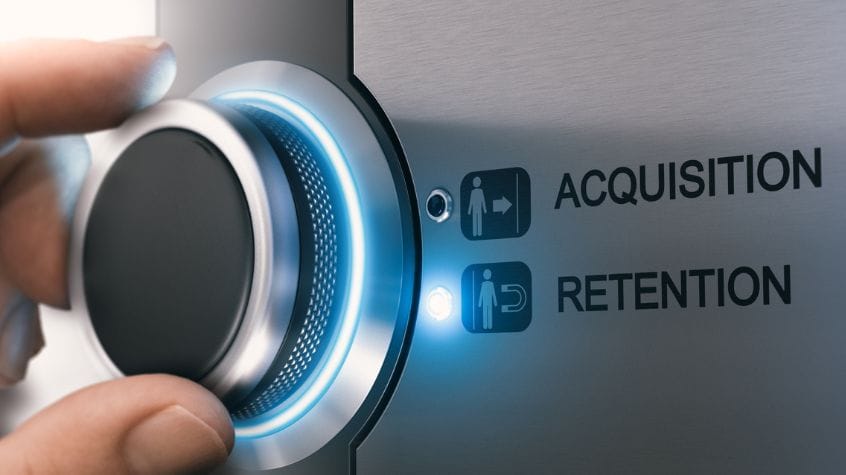
Customer retention has always mattered, but in an environment defined by digital saturation and fragmented attention, it has become one of the most reliable drivers of long-term growth. Research frequently cited by the Harvard Business Review shows that even modest increases in retention can lead to disproportionate gains in profitability. The underlying reason is simple: loyal customers buy more often, trust more deeply, and cost less to maintain over time.
As organizations plan their customer retention strategies for 2026, many are re-evaluating how they communicate with existing customers. While digital channels remain essential, they are increasingly crowded, transactional, and easy to ignore. Print marketing has reasserted its value not as a replacement for digital, but as a complementary channel within a broader print marketing strategy that delivers focus, emotional resonance, and staying power.
Why Print Creates Stronger Emotional and Cognitive Engagement
Printed communication engages the brain differently than screens. Studies from the USPS Office of Inspector General and other research bodies consistently demonstrate that physical mail generates stronger emotional responses, higher recall, and longer attention spans than digital advertising.
This matters for customer retention because loyalty is not built on frequency alone—it is built on meaning. When customers receive a tangible, thoughtfully produced piece of mail, the interaction feels intentional rather than automated. That sense of intention reinforces trust and strengthens the perceived relationship between brand and customer.
Unlike digital messages that disappear into inboxes or feeds, print often remains visible—on desks, counters, or shared spaces—creating repeated, passive reinforcement over time.
What Role Does Print Play in Customer Retention Strategies?
Effective retention is rarely the result of a single touchpoint. It is the outcome of a coordinated communication journey that reinforces value at meaningful moments.
Print fits naturally into this lifecycle approach:
- Post-purchase: Thank-you notes, onboarding guides, or product usage tips reinforce confidence and reduce buyer’s remorse.
- Mid-relationship: Educational mailers, updates, or newsletters remind customers of ongoing value beyond the initial transaction.
- Long-term engagement: Anniversary pieces, loyalty milestones, or event invitations acknowledge the relationship itself, not just the sale.
Because print does not compete with constant digital notifications, it creates a quieter, more focused moment of engagement—one that supports reflection rather than reaction.
Why Print Often Outperforms Email for Retention Touchpoints
Email remains a necessary communication tool, but its effectiveness for retention has declined as inbox volume increases. Open rates fluctuate, attention windows shrink, and messages are easily overlooked or deleted.
Print, especially direct mail marketing, behaves differently. Physical mail is still sorted deliberately, and it tends to be reviewed immediately. Its lifecycle is longer, and its presence more persistent. This extended visibility allows retention messages—renewal reminders, loyalty updates, or personalized offers—to remain top of mind well beyond the moment of delivery. This is a key reason why direct mail boosts retention.
For organizations focused on maintaining relationships between purchases, print provides continuity that digital alone often cannot.
Thank-You Mailers as Relationship Builders
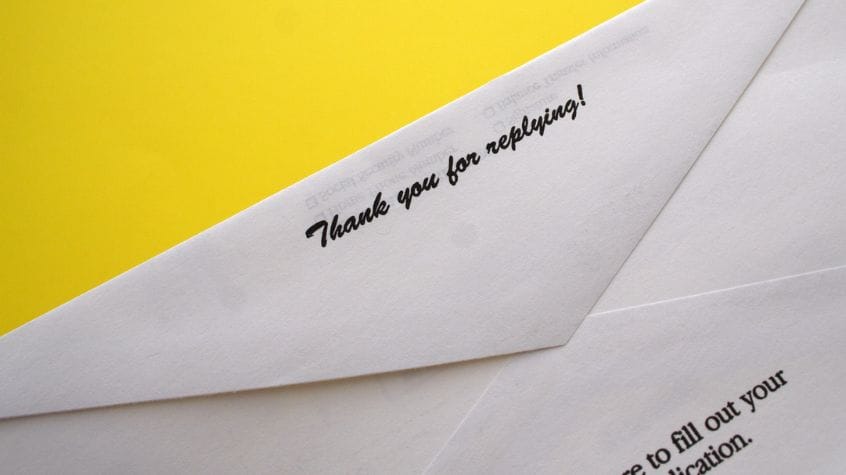
A printed thank-you card communicates effort in a way digital acknowledgments do not. It signals that a customer relationship is valued enough to warrant time, materials, and personalization.
These mailers can serve different purposes depending on context:
- Reinforcing appreciation after a purchase
- Inviting feedback through a survey or response mechanism
- Encouraging a next step without pressure
The effectiveness of thank-you mail lies not in its complexity, but in its sincerity. Even simple, well-designed pieces can have outsized impact when they feel personal and intentional.
Print Tools That Support Ongoing Customer Engagement
Retention-focused print programs often rely on a small, consistent set of materials rather than frequent, disconnected campaigns. Common tools include:
- Personalized thank-you cards
- Periodic newsletters or updates
- Loyalty or rewards program communications
- Anniversary or milestone acknowledgments
- Referral or re-engagement postcards
Together, these pieces create a rhythm of communication that reinforces familiarity and trust over time.
How Do Loyalty Program Print Materials Increase Engagement?
Loyalty programs benefit from physical reinforcement. Printed membership cards, progress updates, or rewards summaries provide customers with a tangible representation of their status and participation.
This physical element increases perceived value and encourages continued engagement. Print also works effectively alongside digital loyalty platforms by prompting customers to return online through QR codes or personalized URLs, supporting effective print and marketing integration.
Rather than duplicating digital content, print enhances it by making progress, rewards, and recognition more concrete.
How Should Print and Digital Be Integrated to Improve Customer Loyalty?
Print is most effective when it operates as part of an integrated communication ecosystem. When customers encounter consistent messaging across physical and digital channels, recall and comprehension increase.
For example:
- A printed mailer introduces a concept or offer.
- A follow-up email reinforces timing or urgency.
- A digital landing page enables action.
This coordination strengthens retention by combining the emotional engagement of print with the immediacy and measurability of digital tools.
For more insight, see How Print Marketing Enhances Customer Engagement.
Why Print Gains Importance as Attention Becomes Scarcer
As digital experiences become faster and more fragmented, print offers something increasingly rare: uninterrupted attention. Its slower pace encourages deliberate reading and deeper processing—conditions that are essential for building long-term loyalty.
Advances in variable data printing and sustainable materials have also expanded print’s relevance within modern customer retention strategies. Today’s print can be highly personalized, environmentally responsible, and precisely targeted, aligning with both customer expectations and organizational values.
Measuring the Impact of Print on Retention
Print marketing is no longer difficult to measure. QR codes, personalized URLs, offer codes, and response tracking allow organizations to connect physical engagement directly to digital behavior.
When evaluated alongside email, social, and web analytics, print often demonstrates higher response quality and longer-term engagement—key indicators of retention health rather than short-term conversion alone.
Print as a Long-Term Relationship Medium
Customer retention is not driven by frequency alone; it is driven by relevance, consistency, and trust. Print marketing supports all three by creating tangible moments of connection that feel intentional and considered.
When integrated thoughtfully into a broader Print-Driven Communications strategy, print becomes more than a marketing channel. It becomes a relationship medium—one that helps organizations stay present, meaningful, and memorable to the customers they already serve.
For organizations researching how to improve customer loyalty, related discussions on retention planning and customer behavior are explored in Boost Customer Loyalty & Drive Growth: 5 Market Research Tips for 2024.