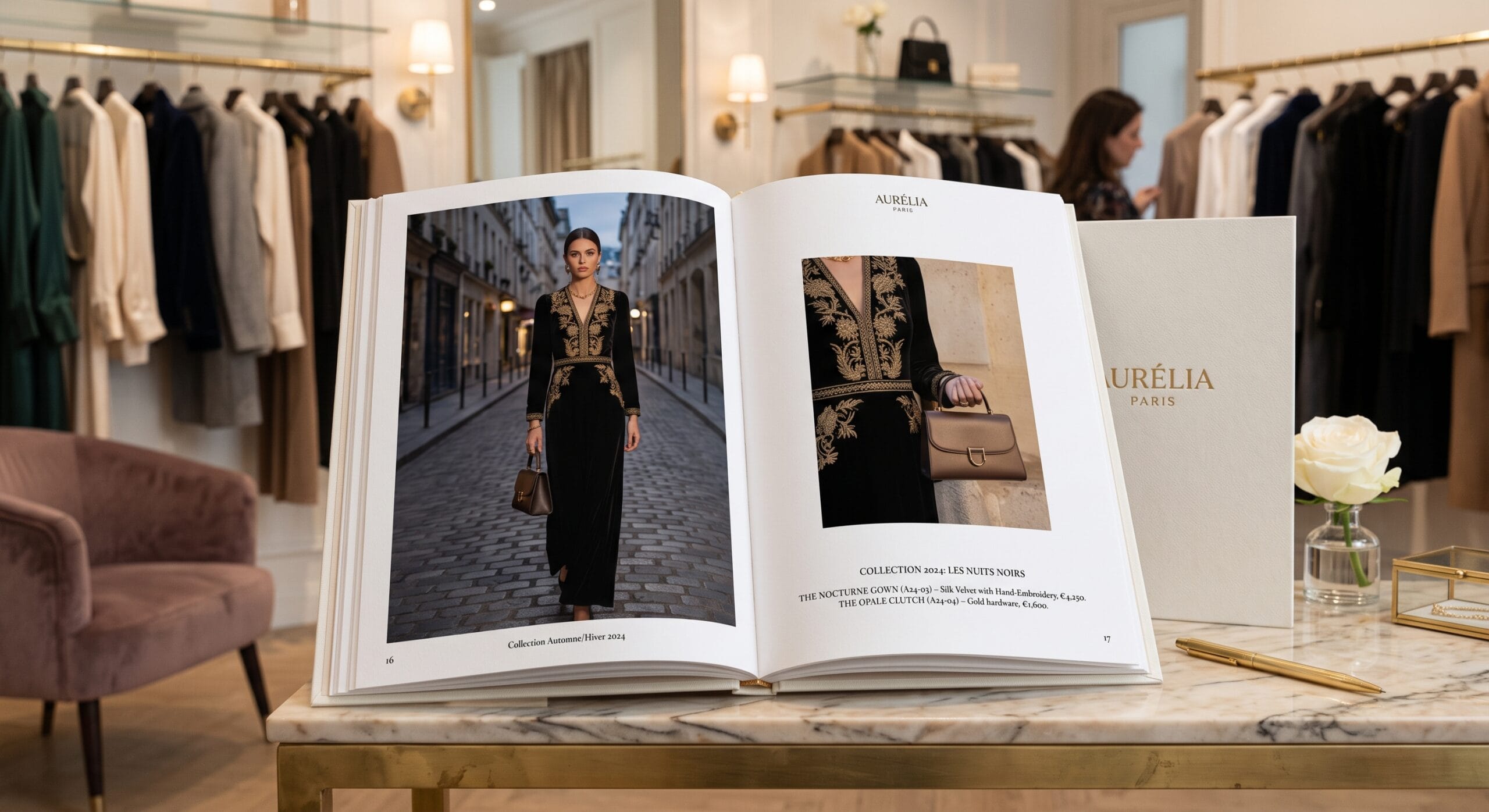
Lookbooks, catalogs, invitations, direct mail, packaging inserts, and other printed marketing materials can turn photography, typography, color, texture, and copy into tangible storytelling. For luxury and boutique brands in particular, these pieces can extend the experience beyond a store, runway, website, or social feed and place the brand directly into the customer’s hands.
How Does Print Strengthen Fashion Brand Storytelling?
Print gives your brand story physical form. Instead of asking customers to absorb another fleeting digital message, a printed piece encourages them to interact with the imagery, materials, and details at their own pace.
That distinction is increasingly important in luxury brand marketing. McKinsey’s 2026 State of Luxury report found that 68 percent of U.S. luxury consumers said newer or disruptive brands better reflected their identity, compared with 63 percent who said the same about established luxury houses. That reinforces the importance of creating a distinct identity customers can recognize and connect with emotionally.
Effective luxury brand marketing therefore depends on more than displaying attractive products. Every touchpoint should help communicate what your brand represents and why it feels different.
What Role Does a Lookbook Play in Boutique Branding?
A lookbook allows you to present a collection as a complete visual narrative rather than a collection of individual products.
Photography can establish mood and setting. Page sequencing can create rhythm. Typography can communicate personality. Short passages of copy can introduce inspiration, craftsmanship, heritage, or seasonal themes without competing with the imagery.
The physical qualities of the piece contribute as well. Paper weight, texture, binding, dimensions, and print finishes can subtly reinforce positioning. A restrained uncoated stock might suit one label, while another collection may call for saturated color, foil, embossing, or an unusual format.
For boutique branding, these choices should feel intentional rather than decorative. The printed piece becomes an extension of the collection itself.
How Can Catalogs Tell a Deeper Brand Story?
Catalogs can combine storytelling with practical product discovery. While lookbooks often emphasize atmosphere, catalogs give you additional room for product information, collection groupings, editorial content, and calls to action.
A well planned catalog might move customers through a seasonal narrative, introduce the thinking behind a collection, highlight craftsmanship, and then provide enough product detail to encourage further exploration.
This balance is especially valuable for bespoke luxury marketing because customers often want both emotional inspiration and meaningful information. Reviewing examples of finished print work can also help illustrate how photography, layout, production choices, and physical format work together to influence the experience of a piece.
Which Print Details Have the Greatest Effect on Brand Perception?
The strongest printed campaigns create consistency between what the customer sees and what the customer feels.
Important production considerations include:
- Paper texture and weight
- Color consistency across different pieces
- Photography reproduction
- Binding and construction
- Embossing and debossing
- Foil and specialty coatings
- Die cutting and dimensional elements
- Packaging and presentation
- Personalized content
High end printing services should protect the details that make a creative concept recognizable. A carefully selected Pantone color that shifts noticeably between a catalog, invitation, and retail display can weaken the sense of control customers expect from premium brands.
This is one reason printing capabilities matter to fashion marketers. Production quality is not separate from storytelling. It influences how the story is perceived.
How Can Personalization Make Printed Fashion Campaigns More Meaningful?
Personalization can make a printed campaign feel less like mass advertising and more like individual communication.
A loyal customer might receive early access to a collection. A high value client could receive a personalized invitation to a private shopping event. Customers with different purchase histories might receive different imagery, product selections, or offers.
The 2026 State of Direct Mail Business Insights report found that 96 percent of surveyed marketing and operations leaders said personalization improves direct mail results, while the report emphasized using behavior, preferences, and milestones rather than simply inserting a recipient’s name.
For fashion brands, that creates opportunities for bespoke marketing solutions built around customer relationships rather than broad demographic assumptions.
How Can Printed Campaigns Connect with Digital Experiences?
Print does not have to compete with digital marketing. Strong integrated advertising allows the physical and digital experiences to continue the same story.
A lookbook can include a QR code leading to collection films or behind the scenes content. A direct mail piece can send a recipient to a personalized shopping page. An event invitation can connect directly to registration. A catalog can lead customers to expanded product stories or appointment booking.
PDC Graphics’ Integrated Marketing Solutions reflect this approach by connecting physical communication with digital response opportunities.
The important principle is continuity. Customers should not feel as though they have moved from one campaign into another when they scan a code or visit a landing page. Photography, messaging, tone, and visual identity should remain familiar.
How Can Fashion Brands Maintain Consistency Across Multiple Locations and Campaigns?
Consistency becomes more difficult as a brand grows. Boutiques, regional teams, events, seasonal launches, sales associates, and outside partners may all need access to approved materials.
Systems such as Web to Print Services can give teams access to approved materials while maintaining control over branding, templates, and production standards. Coordinated fulfillment can also help ensure that boutiques, events, and client teams receive the correct pieces when they need them.
For boutique brand marketing, consistency does not require every communication to look identical. It means every piece should feel unmistakably connected to the same brand.
Why Does Tangible Storytelling Still Matter in a Digital Fashion World?
Digital channels create tremendous reach, but physical materials provide a different type of experience. Customers can keep a beautiful catalog, display an invitation, revisit a lookbook, or discover a branded insert after making a purchase.
That staying power helps explain why print still matters in the luxury brand experience. Tangible marketing gives the brand an opportunity to occupy physical space in the customer’s life rather than existing only on a screen.
For fashion marketers, the goal is not to produce print simply because it feels premium. Every piece should contribute something meaningful to the larger story.
How Can Your Printed Materials Tell a More Cohesive Fashion Brand Story?
Start by looking at your print through the eyes of the customer. Does your lookbook express the same personality as your boutique? Does your catalog reflect the quality of the products inside it? Do direct mail, packaging, event materials, and digital experiences feel connected?
Fashion brand storytelling becomes stronger when imagery, messaging, materials, print finishes, personalization, and production quality support one recognizable identity. Print can then serve as more than collateral. It becomes part of the experience customers associate with your brand, helping you build familiarity, emotional connection, and long term recognition across every interaction.
PDC Graphics brings print production, personalization, fulfillment, and integrated campaign capabilities together to help fashion and luxury brands create consistent physical experiences across collections and customer touchpoints.
Contact Us Today to explore how thoughtful print can bring your fashion brand story to life through lookbooks, catalogs, and beautifully coordinated campaigns.